Standing in the toothpaste aisle with a toddler on your hip, it is easy to feel stuck. Children's toothpaste, low fluoride, high fluoride, natural, flavoured - which one is actually right for your child? At Hocking Dental Care we get asked about fluoride toothpaste for kids almost every week, so we have put together a plain guide to the amounts and strengths that suit each age.
The short version is that both the amount of toothpaste and its fluoride strength should change as your child grows. Getting this right helps protect young teeth from decay while keeping the amount of fluoride your child might swallow nice and low.
Why fluoride toothpaste for kids matters
Fluoride helps make tooth enamel stronger and more resistant to the acid that causes decay. It works best when it is used regularly, in the right amount, right from when those first little teeth appear.
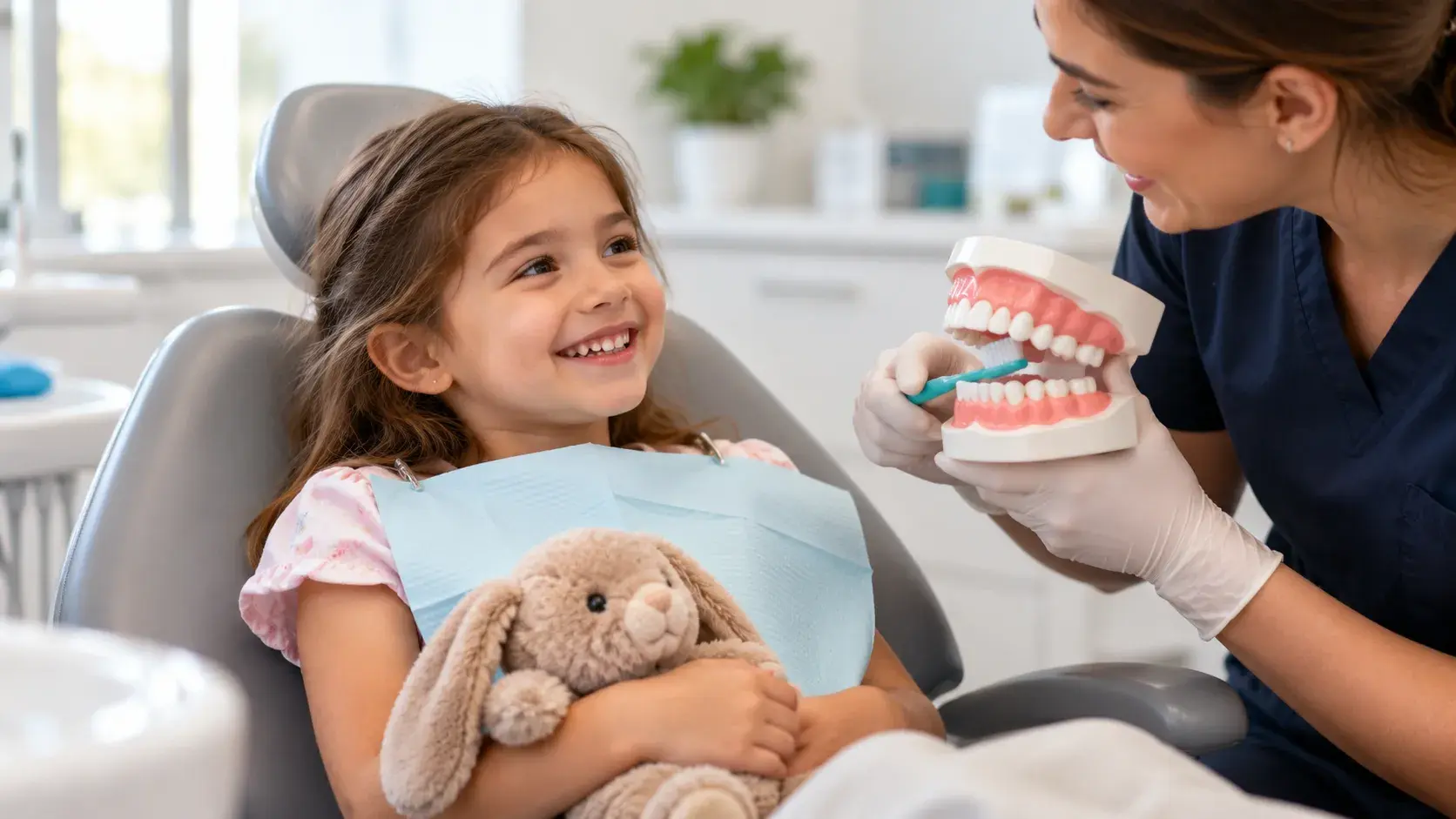
Children's teeth, especially baby teeth, are softer and more prone to decay than adult teeth. That is one reason check-ups from an early age matter so much, alongside a good brushing routine at home. Our children's dentistry appointments are a good chance for us to check how brushing is going and answer any questions about toothpaste along the way.
Fluoride toothpaste for kids, age by age
Birth to 18 months
In the early months, before your baby's teeth even start needing toothpaste, a soft brush or a clean damp cloth and plain water is all that is needed. According to the Australian Dental Association's consumer guidance, children do not need to use toothpaste when brushing at this stage. Start brushing gently as soon as that first tooth pokes through, usually somewhere around the six month mark.
Fluoride toothpaste for kids 18 months to 6 years
From about 18 months, it is time to introduce a children's fluoride toothpaste. The same Australian Dental Association guidance explains that toothpaste made for this age group is lower strength than toothpaste for older children and adults, with these toothpastes having 500ppm of fluoride, compared with the stronger pastes used later on.
How much to put on the brush is just as important as the strength. The guidance is clear that you only need a smear of toothpaste on the toothbrush at this age, not a blob sitting on top of the bristles. A handy trick is to push the paste down into the bristles rather than leaving it balanced on top, where it can easily fall off before your child even starts brushing.
This covers fluoride toothpaste for kids 2 years and fluoride toothpaste for kids 3 years too - the same low-strength paste and the same small smear applies right through to age six, unless we have told you otherwise after a check-up.
From 6 years and up
Once your child turns six, they can usually move on to a standard-strength fluoride toothpaste, similar to what adults use. By this age most children have the hang of spitting out toothpaste rather than swallowing it, which makes the switch to a stronger paste more sensible.
If you are ever unsure which strength is right, or your child has a higher risk of decay, it is worth asking us at a check-up. Some children may need a different approach, and we can talk you through what suits your child specifically.
How much toothpaste for kids is really needed
It is tempting to load up the toothbrush the way you would your own, but children need much less. A smear from 18 months to six years is genuinely tiny, more like a thin film pressed into the bristles than a visible lump. Once your child is older and reliably spitting, a pea-sized amount becomes appropriate.
Using less than this guidance suggests will not clean teeth properly. Using more than needed, especially if it is swallowed regularly, raises the chance of a harmless cosmetic condition called fluorosis, which can leave faint white marks on developing adult teeth. Sticking to the recommended amount keeps things balanced.
Why kids should spit, not rinse
This one surprises a lot of parents. After brushing, we want your child to spit out the extra toothpaste rather than rinsing their mouth out with water straight away.
Here is why. A thin layer of fluoride left behind on the teeth after spitting keeps working for longer, giving extra protection against decay. Rinsing with a big mouthful of water washes that layer away almost straight away, so the fluoride does not get the chance to do as much good.
Learning to spit instead of swallow takes practice, and that is completely normal. Encourage your child gently, supervise their brushing, and do not worry if the odd mouthful goes down while they are learning. The small amounts used at each age are designed with this in mind.
Building good brushing habits at home
Toothpaste is only one part of the picture. A few other things make a real difference too:
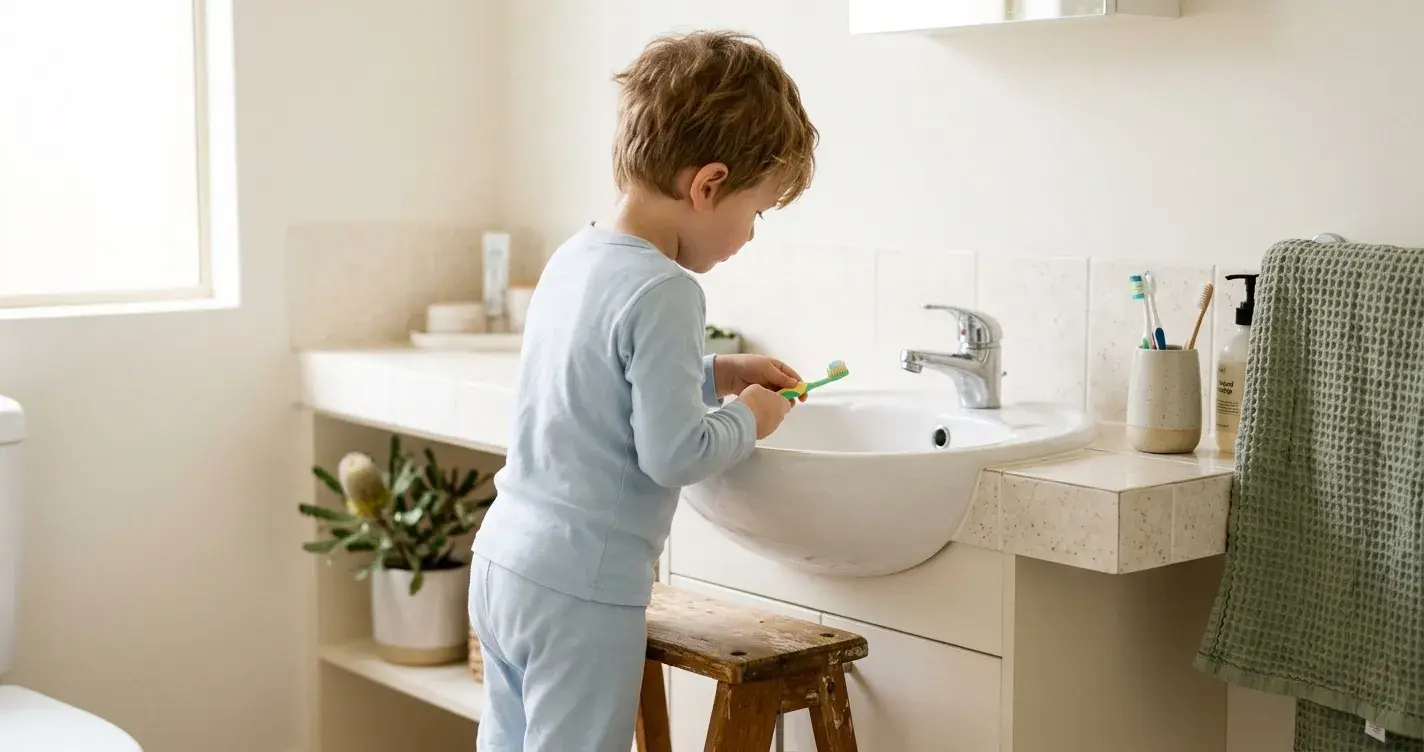
- Brush twice a day, morning and night, for about two minutes each time
- Supervise or help with brushing until your child can do it well on their own, usually somewhere around age seven or eight
- Choose a toothbrush with soft bristles sized for your child's mouth
- Bring your child along to your own check-ups so brushing and visiting the dentist feel normal from an early age
The right toothbrush matters too, and if you are weighing up electric versus manual for your child, our other blog post on that topic is worth a look once it is published on our site.
When to bring your child in for a check-up
Regular check-ups let us catch small issues before they become bigger ones, and they are a chance to check your child's brushing technique in person. We see children of all ages at Hocking Dental Care, from a first visit as a toddler right through the school years.
Appointments are given plenty of time, so nothing feels rushed, and we use an intraoral camera to show you exactly what we are looking at on the screen beside the chair. If your child is a little nervous about the dentist, let us know on the booking form and we will take things slowly, explain as we go, and let your child stop at any point if they need to.
If you are new to the practice, our new patients page has what you need to know before your first visit. Families with more than one child can also book siblings back to back, and there is room for a pram beside the chair if you need it.
Eligible children may be able to access dental care under the Medicare Child Dental Benefits Schedule. The rules around who qualifies and what is covered can change, so it is best to check current details directly with Services Australia. We are a preferred provider for HBF, Medibank, HCF, nib and Bupa, which usually means a smaller gap for eligible treatment, and we can process many health fund claims on the spot through HICAPS.
For more general tips on keeping young teeth healthy, have a look at our dental care for kids article, which covers more of the everyday basics beyond toothpaste.
Frequently asked questions
What fluoride toothpaste for kids is considered safe?
A children's toothpaste with a lower fluoride strength, used in the correct small amount for their age, is considered appropriate for most children in Australia. If you are ever unsure about a particular product, bring it along to a check-up and we can take a look at the label with you.
Is fluoride toothpaste for kids 2 years old necessary?
Yes, from around 18 months most children benefit from a low-fluoride children's toothpaste used as a small smear. This helps protect the teeth that have already come through and the ones still developing.
What happens if my child swallows a little toothpaste?
Swallowing a small amount occasionally while learning to brush and spit is common and is factored into the low-strength toothpaste and small amounts recommended for young children. If you are ever concerned about a larger amount being swallowed, contact a pharmacist for advice or, for anything serious, your nearest hospital emergency department.
When should my child switch to adult strength toothpaste?
Most children move to a standard-strength fluoride toothpaste from around six years of age, once they are reliably spitting rather than swallowing. If your child has a higher risk of decay, we may suggest a different timeline at a check-up.
Why does my dentist ask my child to spit instead of rinse?
Spitting without rinsing leaves a thin layer of fluoride on the teeth, which keeps protecting them for longer after brushing. Rinsing straight away washes this protective layer away sooner than we would like.
If you would like a hand with your child's brushing routine, or it is time for their next check-up, give Hocking Dental Care a call on (08) 9306 2755 or choose a time that suits your family on our online booking page.